semper.
A system that understands your brand, your products and your market as deeply as the people who built them, and produces work to be proud of.
It's 2030. How are the world's biggest brands doing their marketing?
Brands are using an agentic AI platform that fully understands the brand: its products, its people, its places, its goals, and its market.
The system creates and deploys branded content perfectly, usable by every team in every market.
It's 2026. The market is broken. Here's why.
Content demand is infinite, supply is most definitely not.
Content now needs to be delivered across every possible channel, and each demands its own formats and volume. The agency model that supplies it runs on layers of margin, at a pace that cannot keep up.
See appendix · A2 The markup chainRaw AI models can't fill the gap. They are unreliable, and hard to operate.
Off-the-shelf models drift off-brand and can't consistently replicate products, people or places, and using any of the specialised platforms is a specialist's job, not a marketer's.
See appendix · A3 Why nowBoth routes are expensive.
The agency chain compounds margin at every layer. Enterprise AI compounds cost in retries, specialists and clean-up. Either way, the price of on-brand content stays high.
Too much content, demanded too cheaply, from a system too slow to deliver it.
semper. is the agentic creative agency.
It fully understands your brand, your products and your market, and it acts on that understanding: proactive, design-led, trained to think like an expert marketer, a filmmaker and a storyteller.
A creative partner your organisation can trust to create campaigns, strategies and content that stays on brand, working across multiple teams.
One brief. A launch, everywhere.
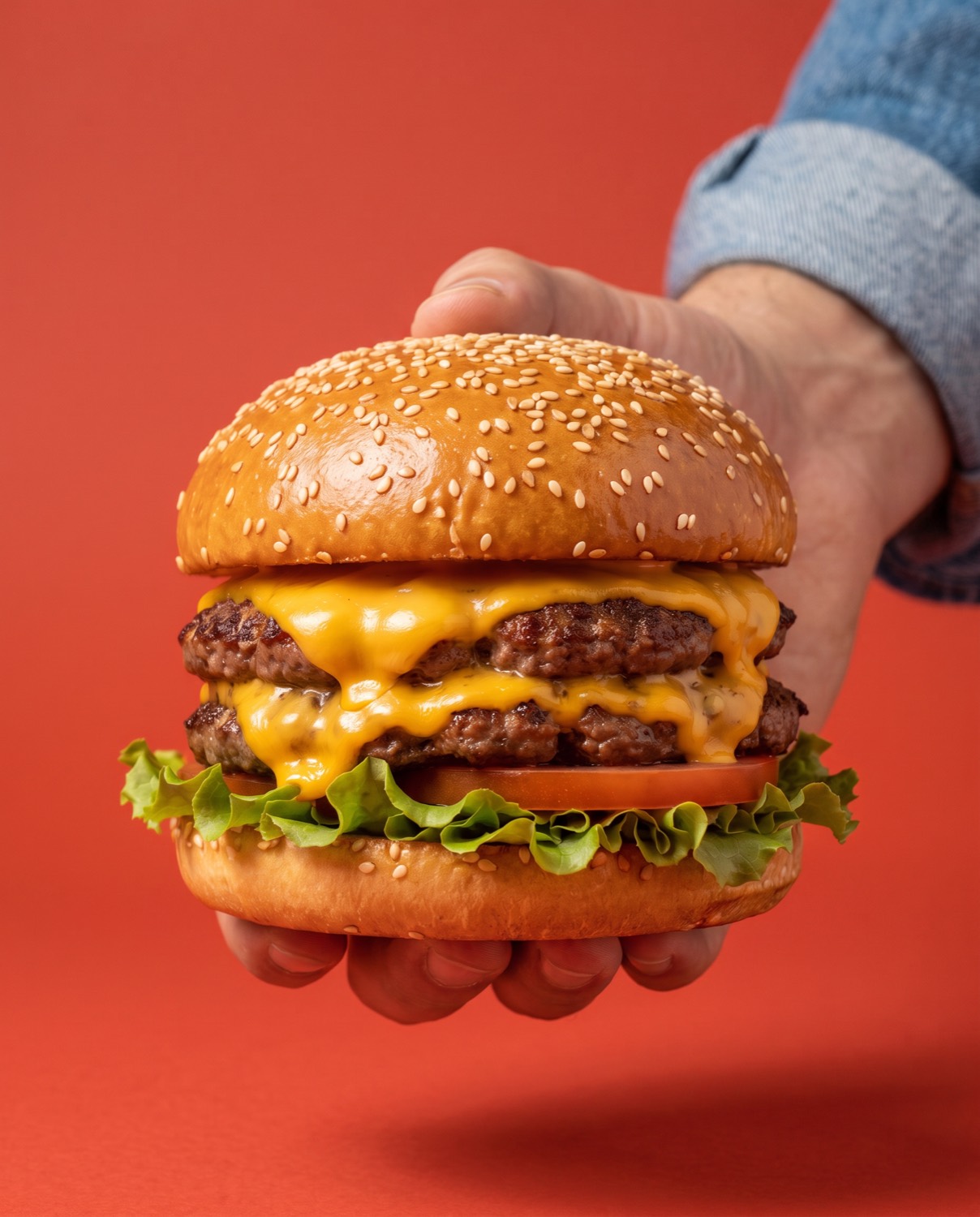
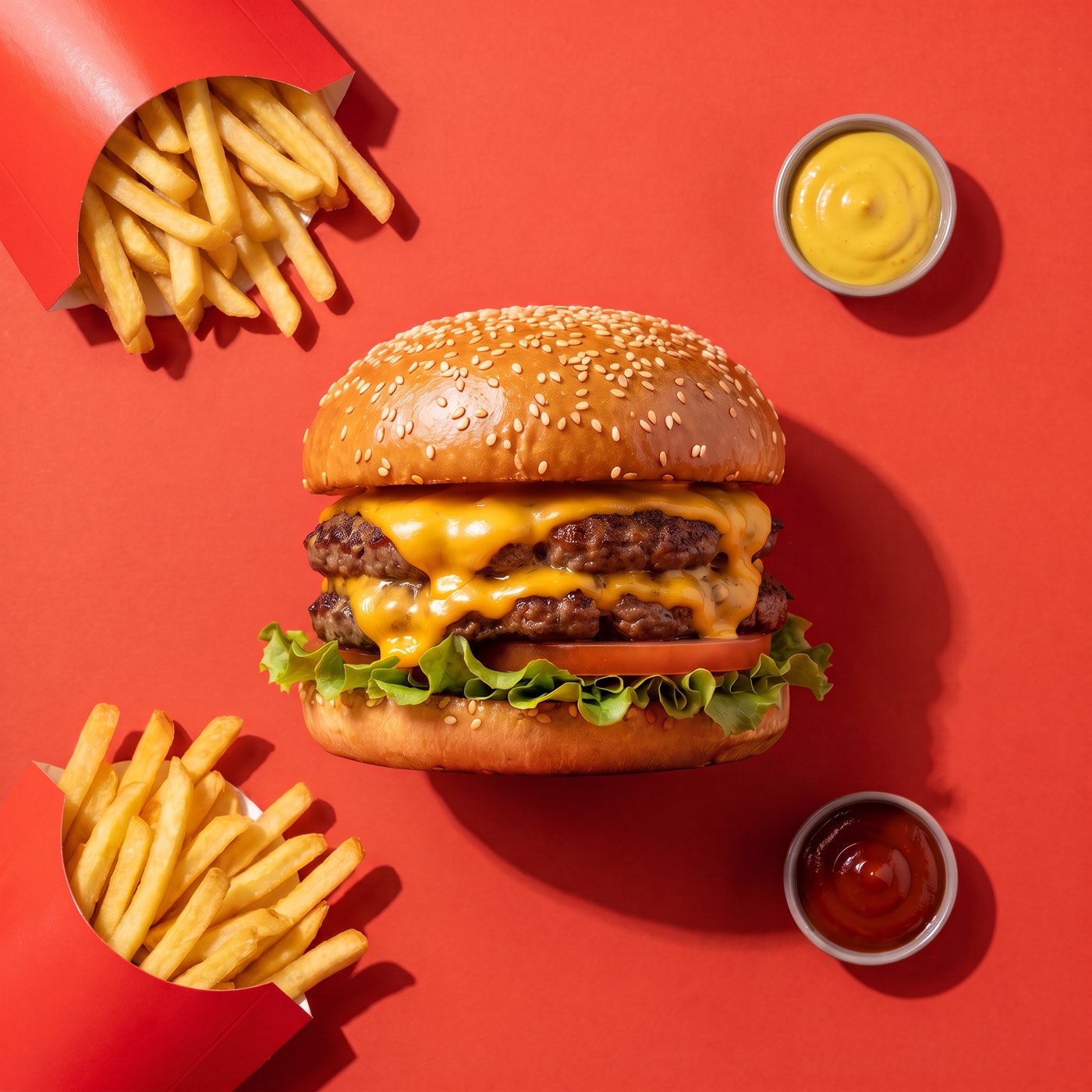
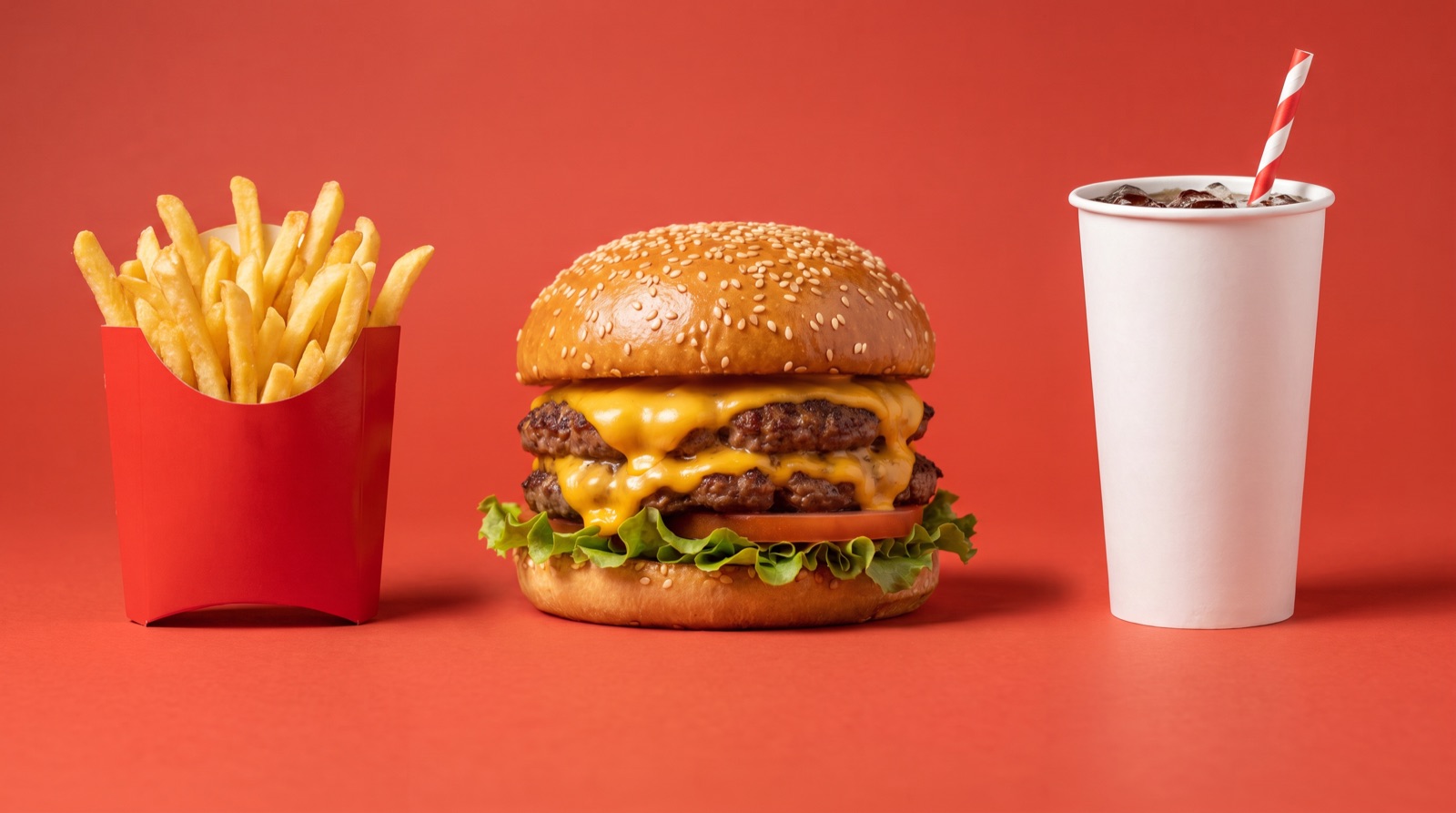
How a team like McDonald’s would ship a Big Mac launch with Semper.

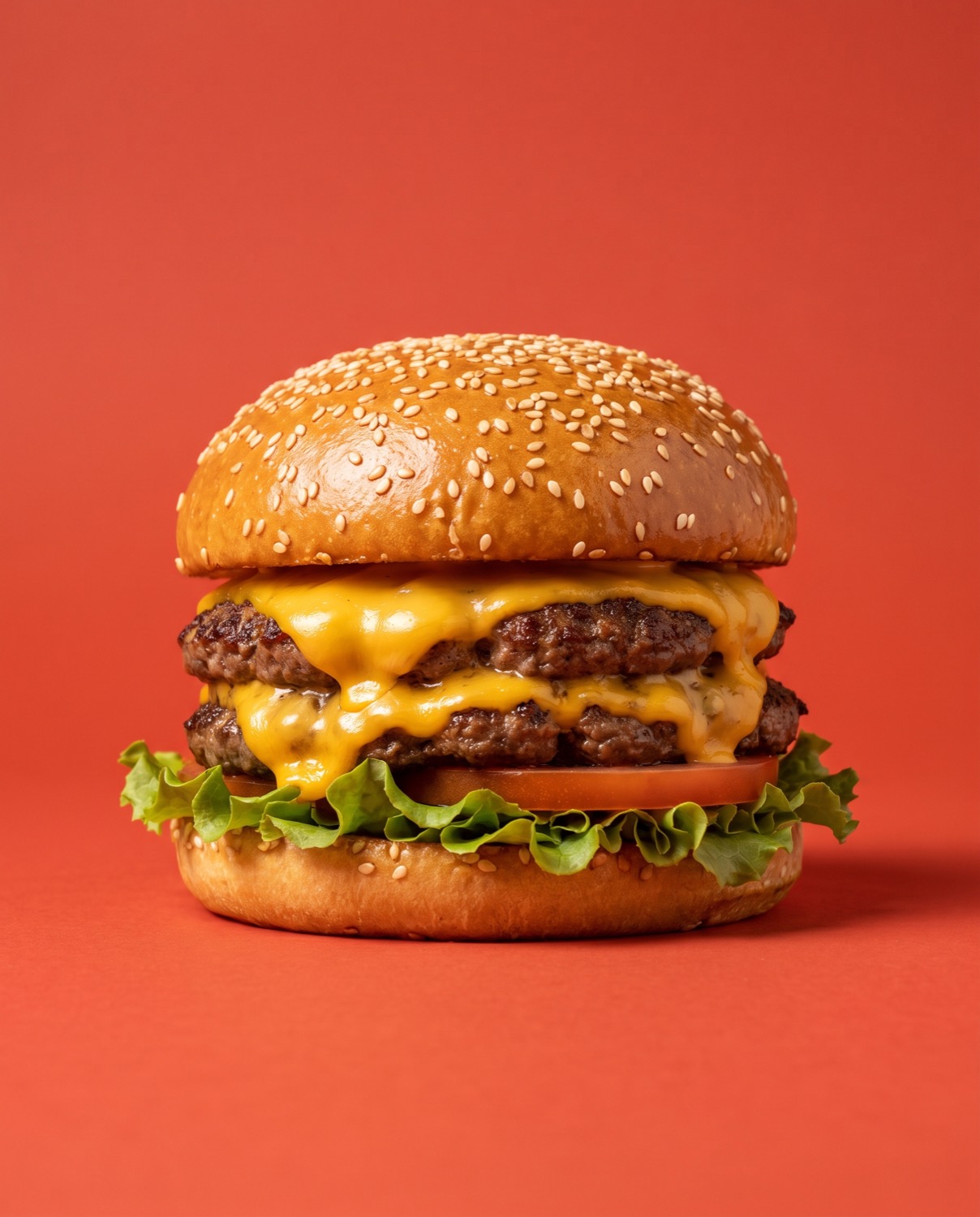

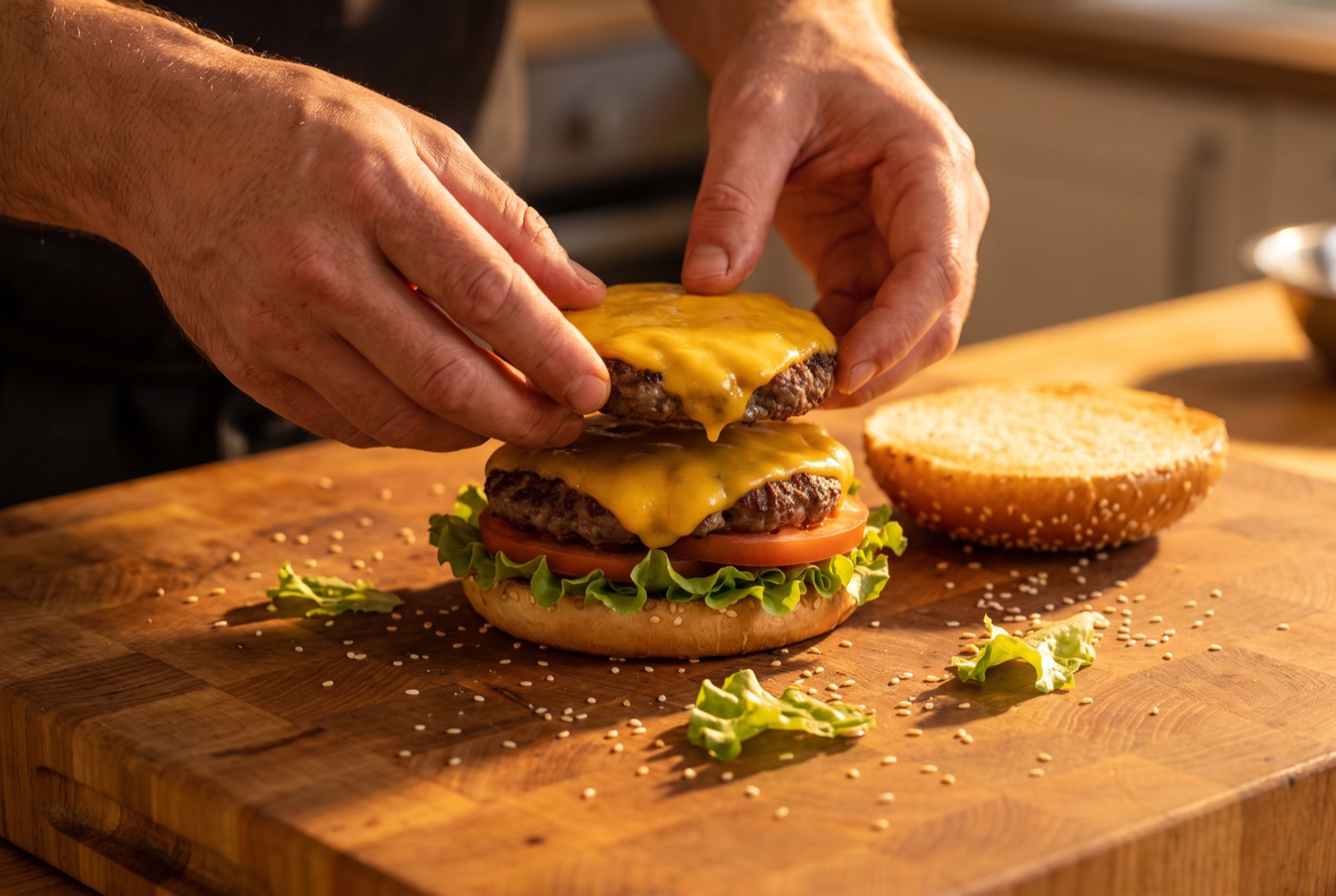
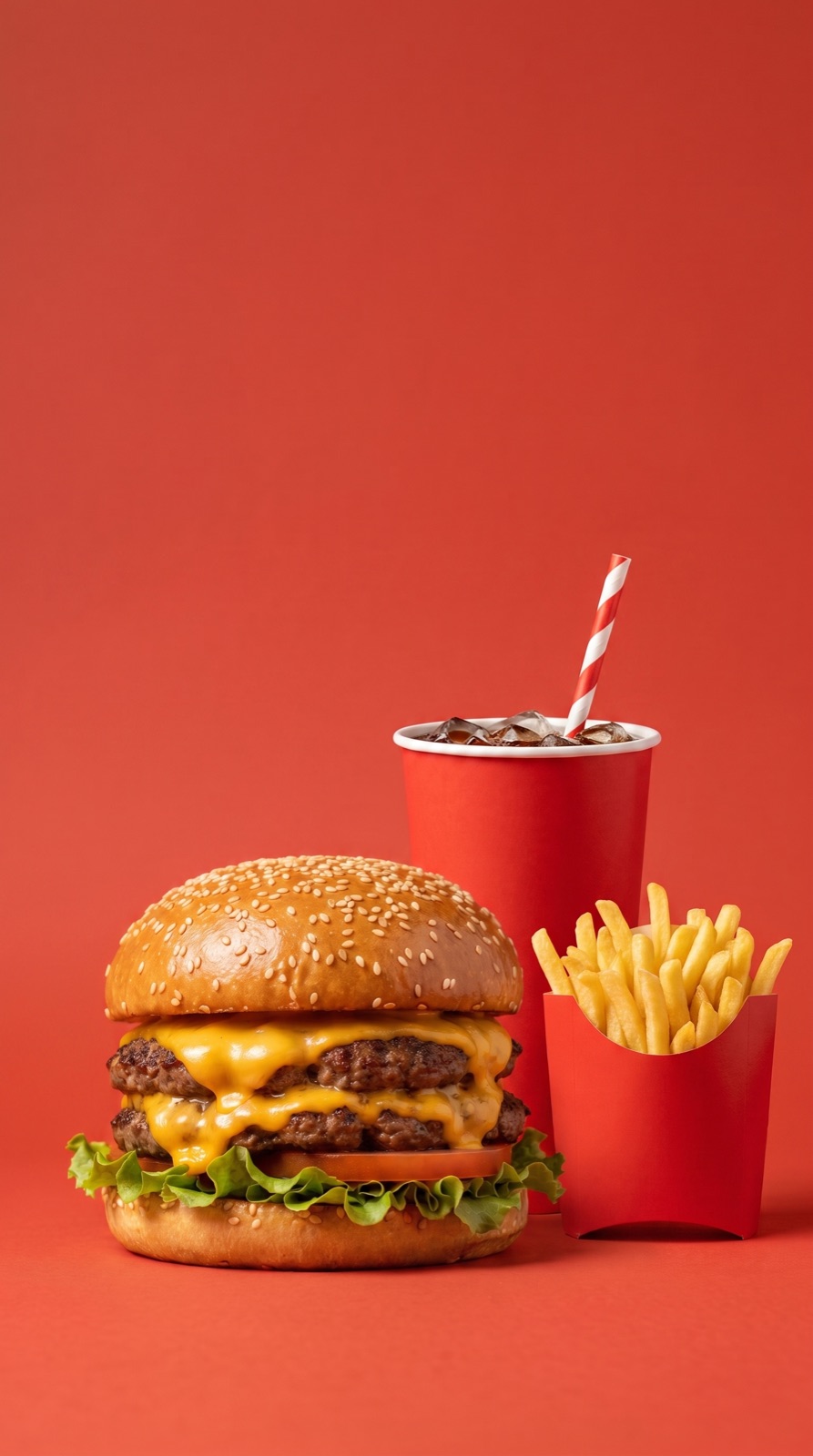
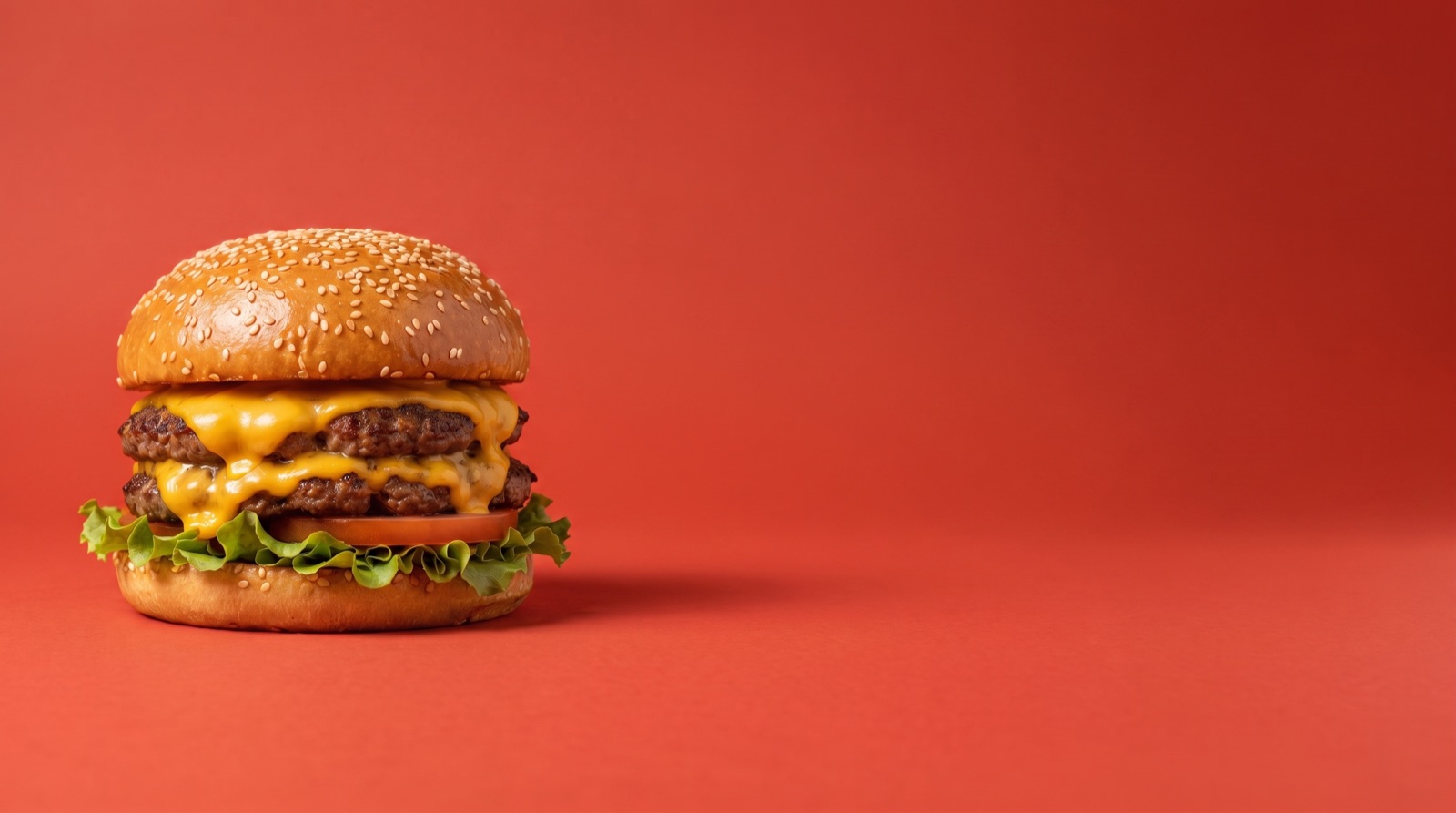 The new Big Mac.
 €2.79
€5.49
€2.29
€2.79
€5.49
€2.29
11:45Finished assets in every format, refined by local teams, before lunch.
Illustrative example. McDonald’s is not a customer.
Large companies with recognisable brands and products.
Retailers, manufacturers and restaurants.
Illustrative of the companies Semper is built for. None are customers.
Anyone in the company can make on-brand work, and ship it.
Ask in plain language. It comes back on brand, ready to approve and send.
Maintain a full understanding of the brand: its products, its people, its locations, and the market it operates in.
Work from that understanding to build the campaigns, assets, imagery, video and graphics, then carry them through approval and out to channel.
Edits live campaigns as the market reacts to them. Recommends the next campaign before anyone asks. And tells the brand agents what actually worked.
The same product launch, on both sides of the shift.
From a working demo to the category standard.
A semi-working demo is live now. Give it a brand and a brief, and watch it build the brand and produce work against it.
The platform is real, but early. The seed round turns it into production software and brings in the creative directors who teach it what good looks like.
Cast for exactly this mission.
Semper is built by people who know the model it replaces from the inside, and the technology that replaces it.
Conrad Oppermann
Spent four years building an agency that now serves the Ryder Cup, SailGP and Adare Manor. Brings taste, and a working knowledge of exactly how the agency model is broken, from inside it.
Conor McElearney
Brand, design-led thinking and culture. The reason the platform feels human, and the reason its output looks like it came from a great agency, not a great model.
?
The seat is open, and it is a co-founder seat: founder equity to lead development outright — engineer the production platform from the working prototype, own the AI core, and build the engineering team through the Series A.
By 2030, every great brand runs on an agentic creative agency.
semper. is that agency.
Appendix.
The argument in full, with the evidence under it. The shift is already happening. The money is trapped in a chain. The window opened when generation got cheap and trust did not. Nobody has closed it yet. Here is why the lead compounds, and why it is still open.
The winners are already moving.
The largest consumer brands in the world are rebuilding creative production around AI right now. The holding companies are merging. Both are reading the same signal.
The markup chain cannot survive the agentic age.
Enterprise creative runs on a chain of intermediaries: brands pay agencies, who hire agencies, who hire contractors. Each layer adds margin, time and distance from the brand. The ANA found undisclosed markups on subcontracted production across the industry. 39% of CMOs are already cutting agency budgets. The structure itself is what fails, not the year.
Generation is solved. Trusted generation is the race.
Model cost is collapsing toward zero. Generation is now roughly 5% of what a finished asset costs. The other 95% is the human loop: briefing, sifting, fixing, signing off. Meanwhile 70% of marketers have had an AI incident: off-brand, hallucinated or biased output. Only 30% of CMOs say they are ready to scale AI. The value settles in the layer that makes AI trustworthy. Everyone is racing for it. Nobody has won it, because it is not won by shipping.
The moat is memory.
Every brand that works with Semper makes Semper harder to replace. The advantage accumulates in the product, not in the pitch.
What compounds
- Brand memory deepens with use.Every reaction, correction and result sharpens the brand mind. None of it exports to another tool.
- The workflow becomes the system of record.Brand, assets, campaigns and automations live on one model. Leaving means starting the memory at zero.
- Model-agnostic by architecture.A provider ladder across every vendor means Semper rides the cost collapse rather than depending on one lab.
Where we sit in the market
- Models keep commoditising.That is the tailwind. Semper owns the grounding and trust layer above them.
- Holding companies earn from the markup chain.Their margin depends on the structure Semper removes. Consolidation is their answer.
- We land on work quality.The creative team adopts Semper for the craft, the way design teams adopted Figma. The organisation follows.
The hard part isn't built. It's accumulated.
The models are public and the demand is desperate. Coca-Cola and Unilever already do this today, with outside studios and hundreds of specialists on every campaign. What none of them owns is the system underneath. The hard parts cannot be shipped. They can only be accumulated, one brand at a time, in production.
Which twelve
A model takes about a dozen reference images. A brand is hundreds of products, dozens of faces and locations that turn over every launch. Something has to choose which twelve belong in this shot, in this market.
Errors compound
A campaign is hundreds of dependent steps, and reliability multiplies. At 99% a step, a hundred-step run lands a third of the time. The fix is not a better model. It is reusing what was already approved.
No score for taste
Machines score the codified part well: logo, colour, safe area, legal copy. What kills work in review is judgment, and there is no benchmark for one company's judgment.
Nobody records no
Every tool stores versions, comments and impressions. None store why the work was rejected. That reason is only ever spoken in the room where someone is accountable for the campaign.
The answer is people
The brands doing this today do it with outside studios and twenty-plus new production units staffed by agency people. Everyone meets infinite demand by adding humans, because selling hours is the profitable answer.